Malta is compact, but planning a first trip can be deceptive. Attractions that look close together on a map may sit on opposite sides of busy roads, parking can be slow, and adding Gozo or Comino changes the logistics completely.
This first part of our Malta travel guide covers the practical side of the trip: when to come, how long to stay, where to base yourself and how to get around.
How many days do you need in Malta?
For most first-time visitors, four to seven days is a comfortable range. Three days can work if you accept that you are seeing highlights rather than the whole country. A week gives you enough time for Valletta, Mdina and Rabat, the Three Cities, a full day in Gozo and either Comino, a boat day or a slower beach day.
If you have only three days, use our 3-day Malta itinerary rather than trying to improvise a route across the islands.
When is the best time to visit?
Summer is the busiest period and the obvious choice if swimming and boat days are central to your holiday. It is also the hottest time for long walking tours. Spring and autumn are excellent for sightseeing, while winter is quieter and can be very good for history, food and countryside walks, although sea conditions are less predictable.
If you are visiting in peak summer, plan outdoor historical sightseeing earlier in the day and leave the hottest part of the afternoon for lunch, swimming or a slower activity.
Arriving in Malta
Malta International Airport is the main arrival point for air travellers. From there you can continue by public bus, taxi or pre-arranged transfer. The airport is relatively central, so you do not need to change hotels simply to be close to it unless you have a particularly early departure.
Where should a first-time visitor stay?
Valletta
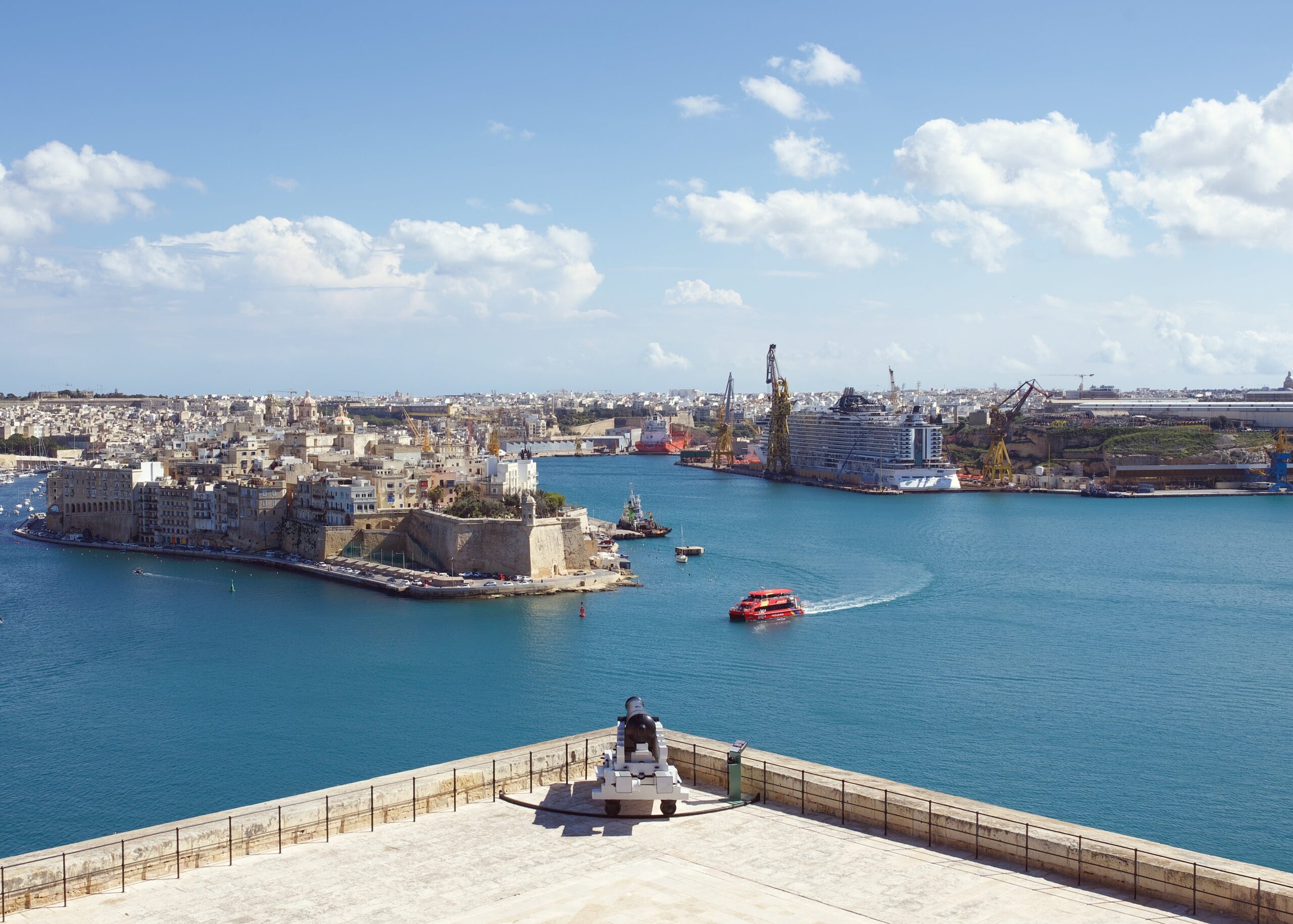
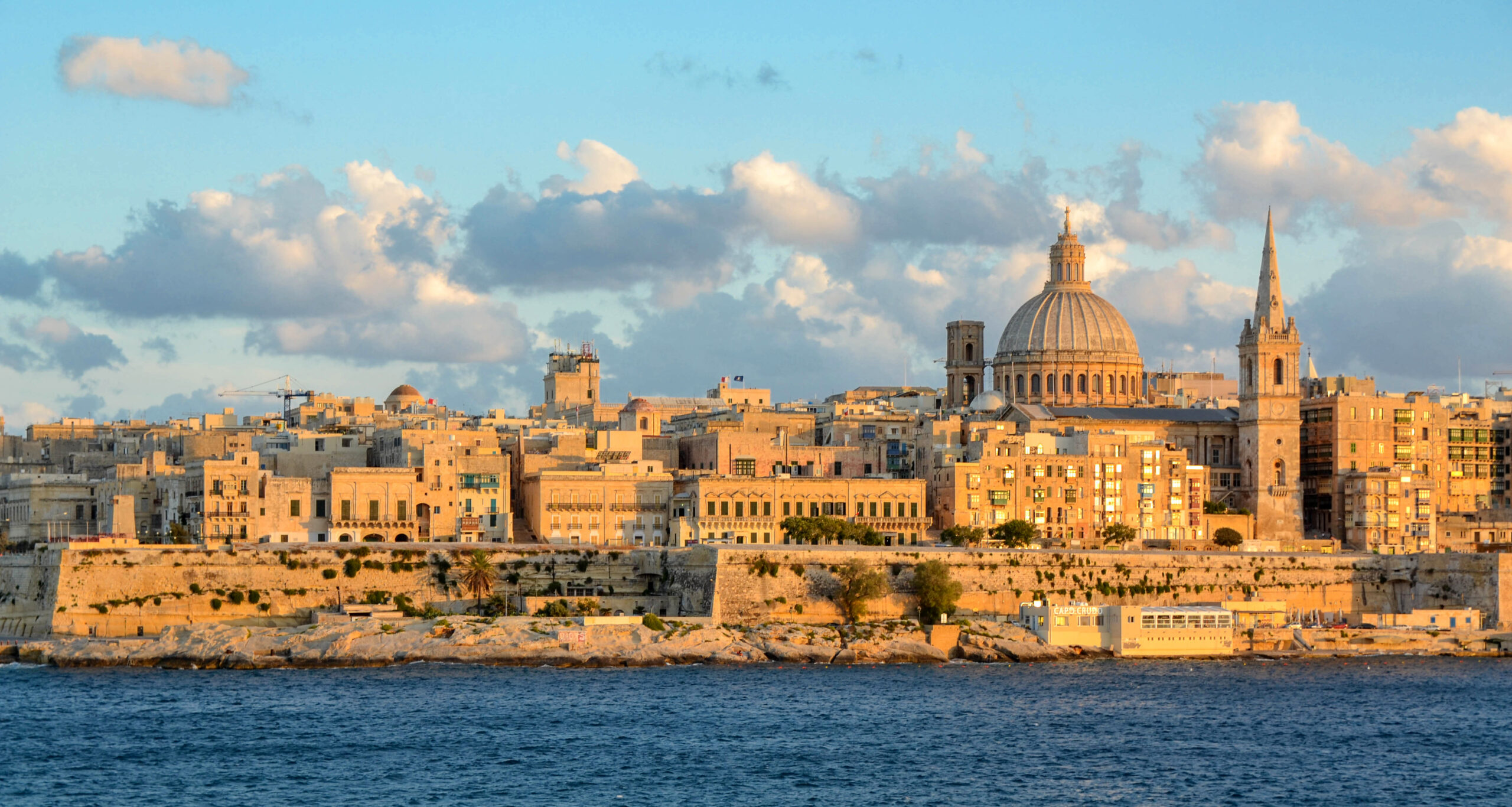
Best if you want history, atmosphere and easy access to the Grand Harbour. Valletta is highly walkable and convenient for ferries, but it is not a beach-resort base.
Sliema or Gżira
A practical all-round base with a long waterfront, restaurants and good connections towards Valletta and other parts of the island. It suits visitors who want a central location without staying inside the capital.
St Julian’s
Useful for restaurants and nightlife. Choose the exact area carefully if you prefer quiet evenings, because parts of St Julian’s are much livelier than others.
Mellieħa and the north
A stronger option if beaches and access towards Ċirkewwa, Comino and Gozo matter more than being close to Valletta every day.
Gozo
If your trip is long enough, one or two nights in Gozo changes the experience completely. You can enjoy the island before and after the day-trip traffic and explore at a much slower pace.
How to get around Malta
Malta has no passenger rail network, so most visitors rely on buses, ferries, taxis, rental cars or private transport. Which option is best depends on how much time you have and how many different areas you want to cover.
Public transport
Buses can work very well when your itinerary is simple and you are not trying to cross the island repeatedly. Build some flexibility into the schedule, especially at busy times. Our Malta Without a Car guide gives you a ready-made approach for a short trip using public transport and ferries.
Rental car
A car gives you freedom for countryside, beaches and less-connected places. Malta drives on the left. The main drawback is parking in historic centres and busy coastal areas, so it often makes sense to park outside the centre and continue on foot.
Taxis and private transport
For a short visit, paying for selected transfers or a private sightseeing day can save more holiday time than renting a car for the whole trip. It is especially useful when you want to combine places such as Mdina, the west coast and southern Malta in one day.
Getting to Gozo and Comino
Gozo deserves a full day on a first visit. Build the ferry transfer into your timing rather than treating the island as another quick stop. Comino is different: most visitors go for the coast, swimming and lagoons, so sea conditions and the type of boat experience matter more than sightseeing logistics.
For a private option, compare our Gozo in a Day tour and Malta and Comino boat tour.
Useful basics before you arrive
Malta uses the euro. Maltese and English are official languages, and English is widely used throughout the tourism industry. Electrical sockets are the British-style Type G, so visitors from most of continental Europe need an adapter.
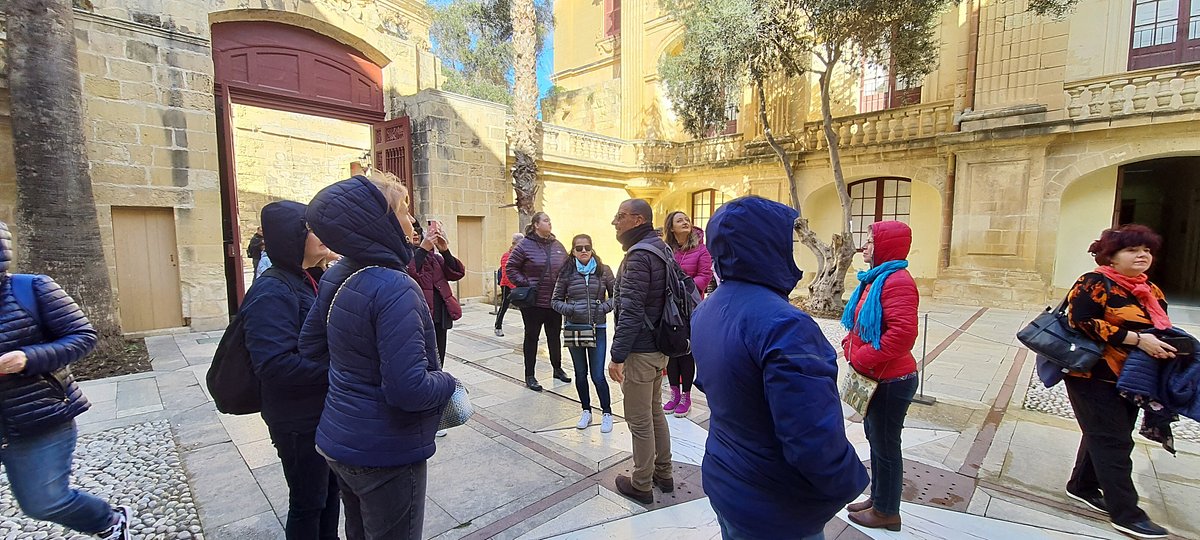
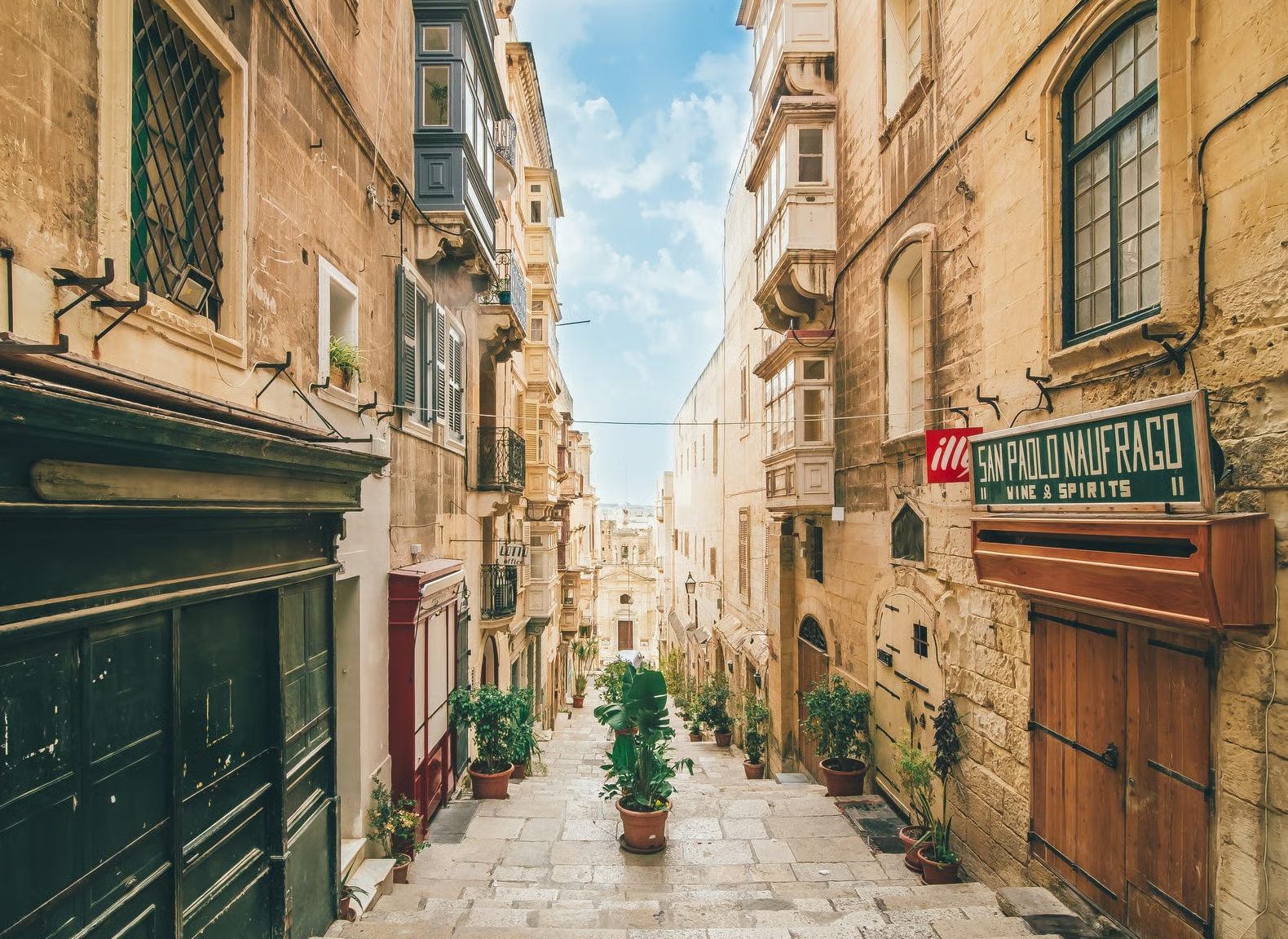
Comfortable shoes matter more than many visitors expect: Valletta, Mdina, Birgu and Gozo all involve stone streets, slopes or steps. In summer, carry water and sun protection rather than assuming every historical stop will be shaded.
A simple first-trip planning rule
Plan by area, not by a long list of attractions. Keep Valletta with the Three Cities, Mdina with Rabat and nearby western stops, and give Gozo its own day. That one decision will make a short Malta holiday feel much less rushed.
When you are ready to choose the actual places, continue with Part 2: what to see and do in Malta, or browse all our private Malta tours.