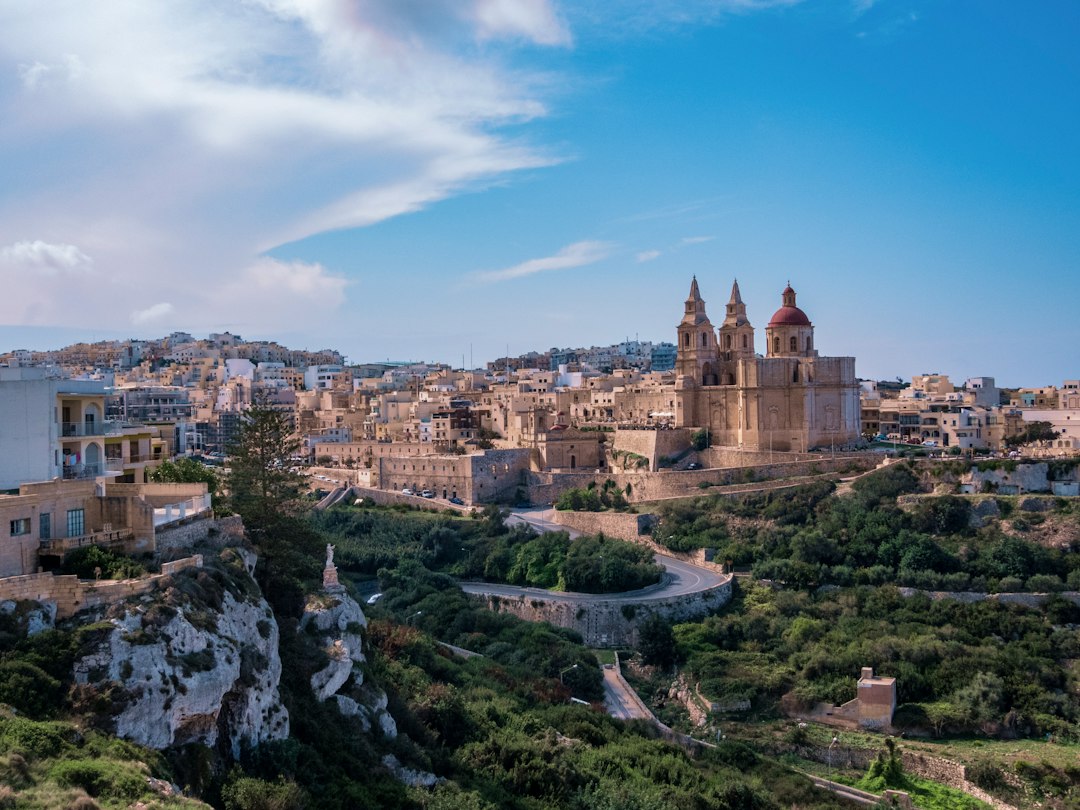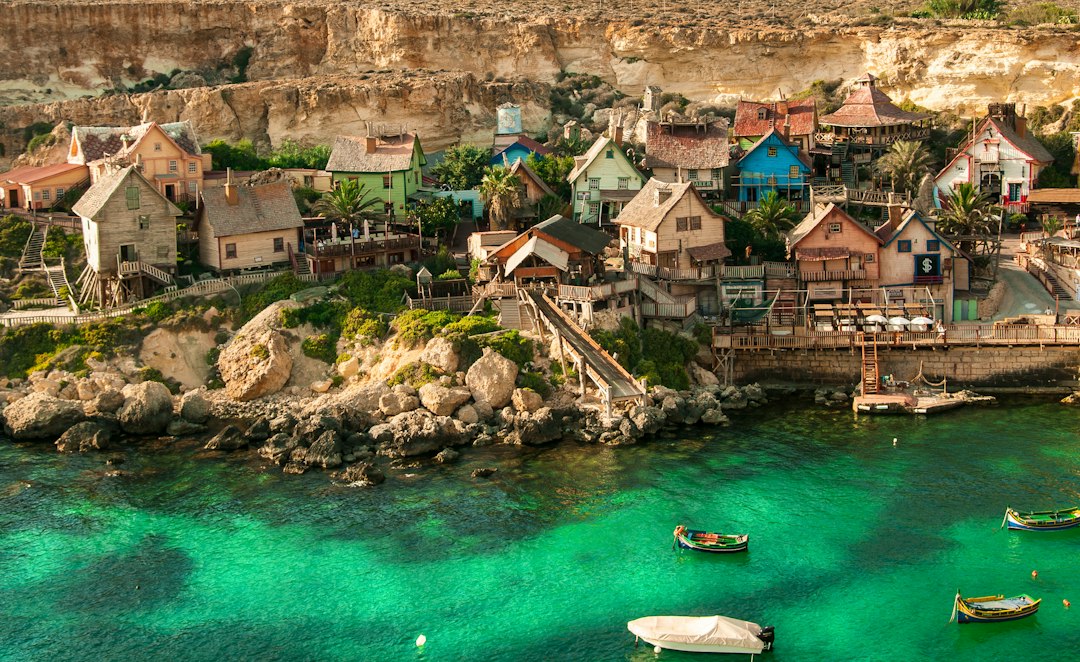
Winter is one of Malta’s most underrated seasons. The islands are quieter, the midday sun is usually far more comfortable for sightseeing than in July or August, and the countryside turns greener after the first rains. You give up guaranteed beach weather, but you gain easier walking, fewer crowds and a much more relaxed way to see Valletta, Mdina, Gozo and the coast.
This guide is for visitors travelling between roughly November and March, with practical advice on weather, what to pack, what is still worth doing and which private tours work particularly well in the cooler months.
What is Malta like in winter?
Malta has a Mediterranean winter rather than a northern-European one. Daytime temperatures are often mild, but the weather can change quickly: a bright morning can become windy or wet later in the day. The biggest difference is not extreme cold but the combination of wind, humidity and shade, especially after sunset.
For sightseeing, that can actually be an advantage. Valletta’s hills, Mdina’s stone streets and longer walks around Gozo are much easier when you are not dealing with peak-summer heat.
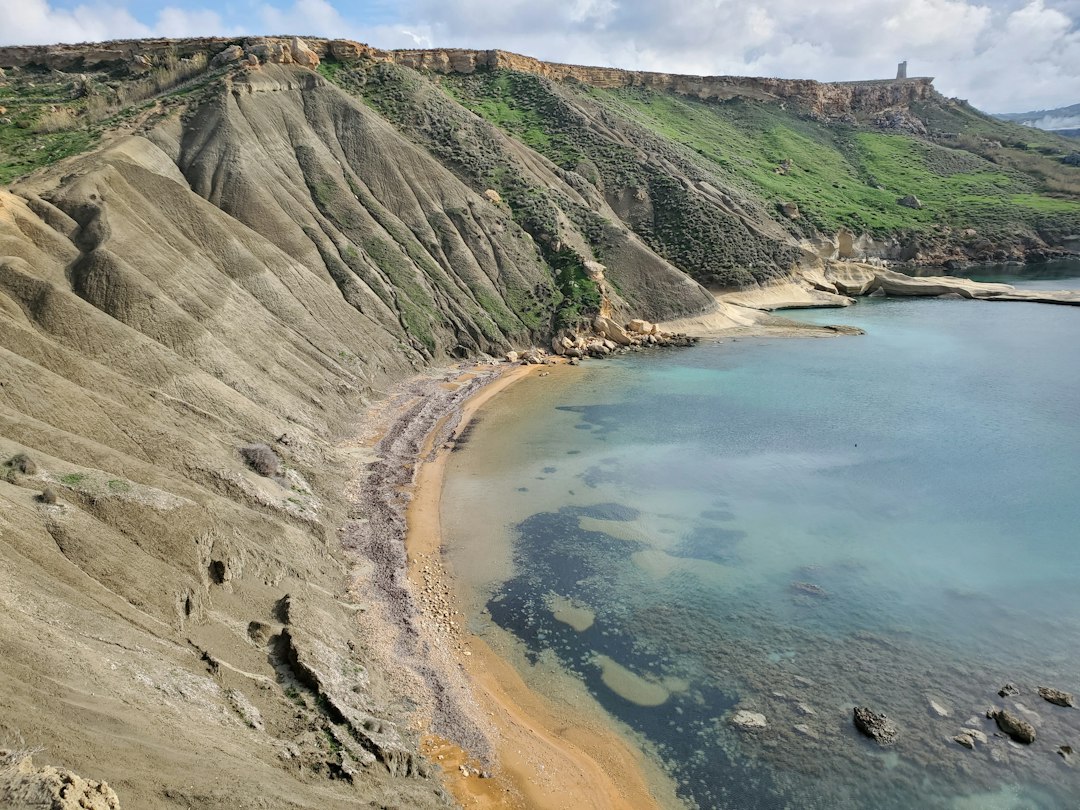
Malta winter weather: what should you expect?
December, January and February are the coolest months. Expect a mixture of sunny spells, cloud, rain and windy days rather than weeks of continuous bad weather. A light waterproof jacket and layers are much more useful than a very heavy winter coat.
- Daytime: often mild enough for comfortable sightseeing in layers.
- Evenings: noticeably cooler, especially near the coast.
- Rain: more likely than in summer, usually in spells rather than constant drizzle.
- Sea conditions: less predictable, so boat trips can be cancelled or adjusted.
- Daylight: shorter than in summer, so start full-day sightseeing earlier.
Best things to do in Malta in winter
1. Explore Valletta properly
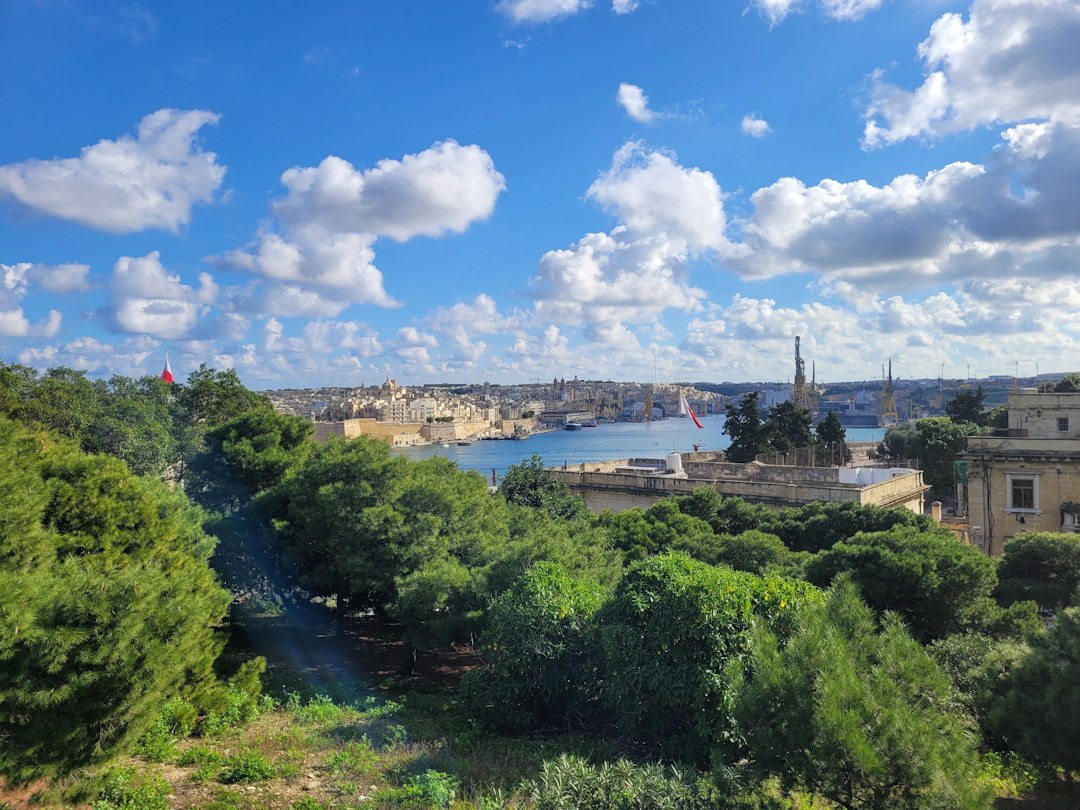
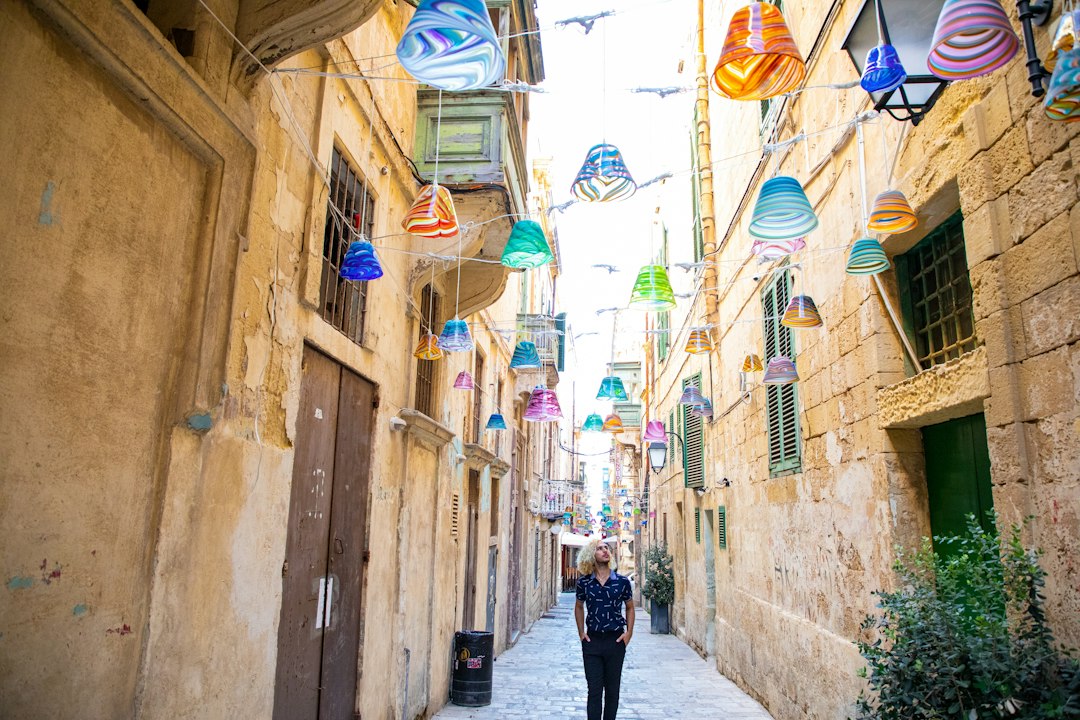
Winter suits Valletta extremely well. You can walk Republic Street, the side streets, Upper Barrakka Gardens and the harbour viewpoints without the intense summer sun. Indoor attractions such as St John’s Co-Cathedral, museums and the Grand Master’s Palace also make it easy to adapt the day if rain arrives.
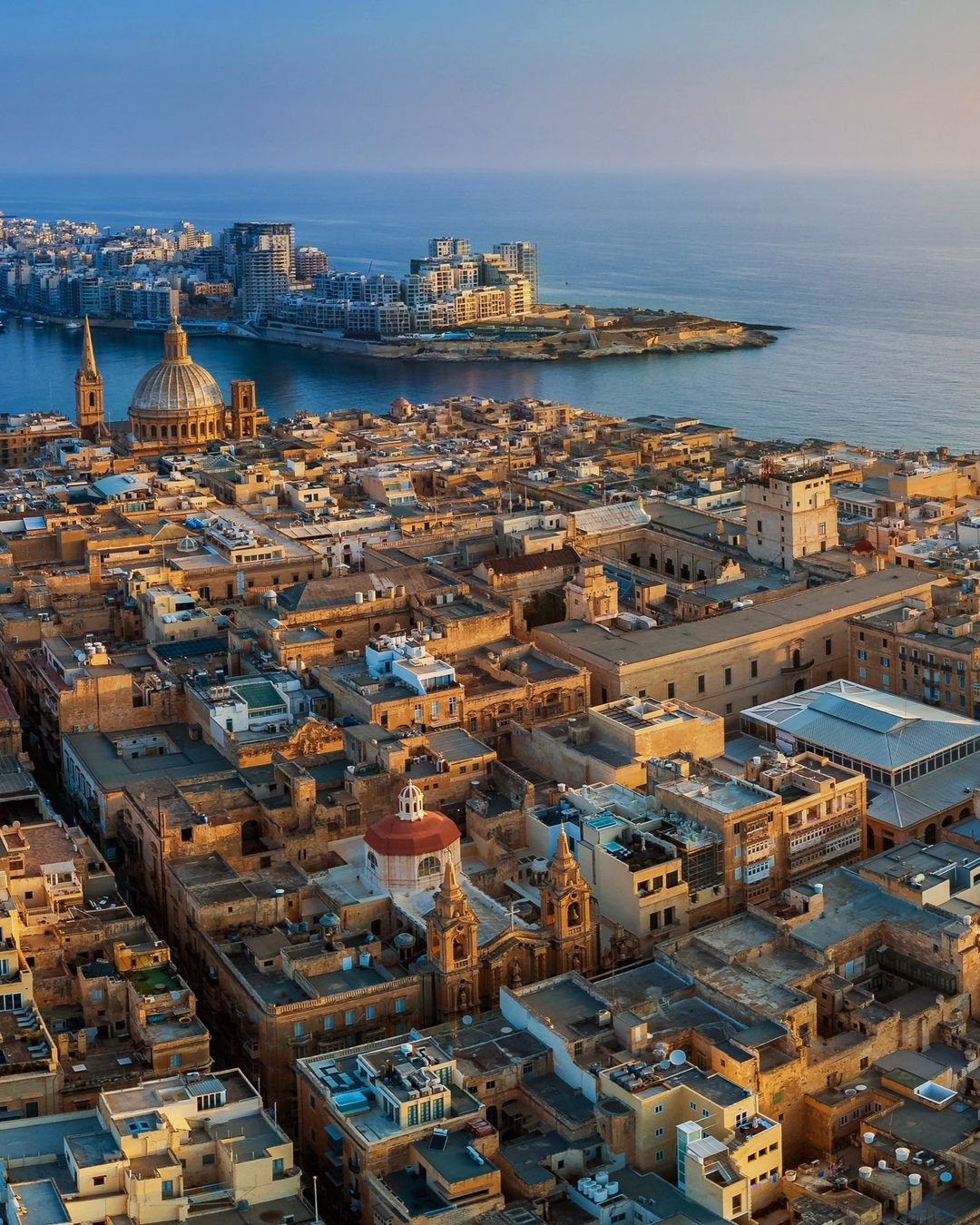
If you want the history rather than simply the photographs, our private Valletta Walking Tour is a good winter option.
2. Visit Mdina and Rabat
Mdina’s atmosphere is arguably better in the quieter months. Its narrow limestone streets feel calmer, and the cooler weather makes it easier to combine the Silent City with Rabat rather than rushing through the gate for a quick photo.
Rabat adds catacombs, traditional streets and cafés, making the area a strong half-day or full-day stop even when the weather is mixed.
3. Spend a full day in Gozo
Gozo becomes greener in winter and feels very different from the dry summer landscape. Victoria and the Citadel, Dwejra, Xlendi, village squares and countryside viewpoints all work well on a sightseeing day.
The main winter consideration is transport and weather. If you are travelling independently, allow enough time for the ferry and onward buses. If you want to cover several places in one day, a private Gozo tour is much more efficient.
4. See Malta’s southern coast
Marsaxlokk, the Blue Grotto viewpoint and the surrounding south remain worthwhile in winter. The Blue Grotto boat ride itself depends on sea conditions, so think of the boat as a bonus rather than the only reason to visit.
5. Walk the coast and countryside
For active travellers, winter is often better than summer for Dingli, Majjistral, Mellieħa and Gozo walking routes. Bring proper shoes because limestone paths can become slippery after rain.
Can you swim in Malta in winter?
Some people do, particularly on calm sunny days, but Malta in winter should not be booked as a guaranteed swimming holiday. The sea remains warmer than in many parts of Europe, but air temperature, wind and rough conditions can make swimming unattractive or unsafe on some days.
If swimming is essential to your trip, late spring through autumn is a safer choice. If sightseeing, food, history and quieter streets matter more, winter can be excellent.
Are boat tours worth booking in winter?
Yes, but keep the booking flexible. Private boat trips can still be beautiful on calm days, but winter sea conditions are more variable. A good operator should confirm whether conditions are suitable rather than forcing the trip to operate.
For that reason, we normally recommend keeping at least one land-based sightseeing option available when planning a winter itinerary.
What to pack for Malta in winter
- Comfortable walking shoes with good grip
- Light waterproof or wind-resistant jacket
- Layers: T-shirt, jumper or light fleece
- Compact umbrella
- Sunglasses and sunscreen for clear days
- A slightly warmer layer for evenings
Is Malta busy in winter?
It is generally quieter than summer, although Christmas, New Year and some event weekends can still be lively. The quieter season means less pressure at many sightseeing stops and more flexibility for private itineraries.
Best private tours for winter visitors
If you have limited time, winter is ideal for a private sightseeing day because the route can change with the weather. A driver can prioritise outdoor viewpoints while the sky is clear, then switch to Mdina, Valletta or indoor attractions if conditions change.
For first-time visitors, our full-day Malta sightseeing tour is the strongest all-round option. For travellers staying longer, combine that with a Gozo day and a separate Valletta or Mdina-focused experience.
Frequently asked questions about Malta in winter
Is Malta worth visiting in December?
Yes, especially for history, city breaks and Christmas atmosphere. December is not guaranteed beach weather, but Valletta, Mdina and the Three Cities are particularly enjoyable when the streets are cooler and less crowded.
Does Malta shut down in winter?
No. Malta is a year-round destination. Some seasonal boat services and beach businesses reduce operations, but cities, restaurants, museums, tours and everyday services continue.
Is January too quiet?
January is quieter, but that is exactly why many visitors like it. It is a good month for museums, walking, food and historical sightseeing without summer crowds.
What happens if it rains during a private tour?
A private itinerary can usually be adapted. Valletta, Mdina, Rabat and several museums allow you to combine indoor and outdoor stops, while exposed coastal viewpoints can be moved to a clearer part of the day.
Planning a winter trip to Malta?
Tell us your dates, hotel and what you most want to see. We can build a private Malta or Gozo day around the weather, your pace and your interests.