Once the flights and hotel are sorted, the next question is harder: what is actually worth doing on a first trip to Malta?
The islands pack a lot into a small area, but you will enjoy them more if you group places geographically and choose a few experiences that genuinely interest you instead of racing through a checklist.
1. Valletta: start with Malta’s capital
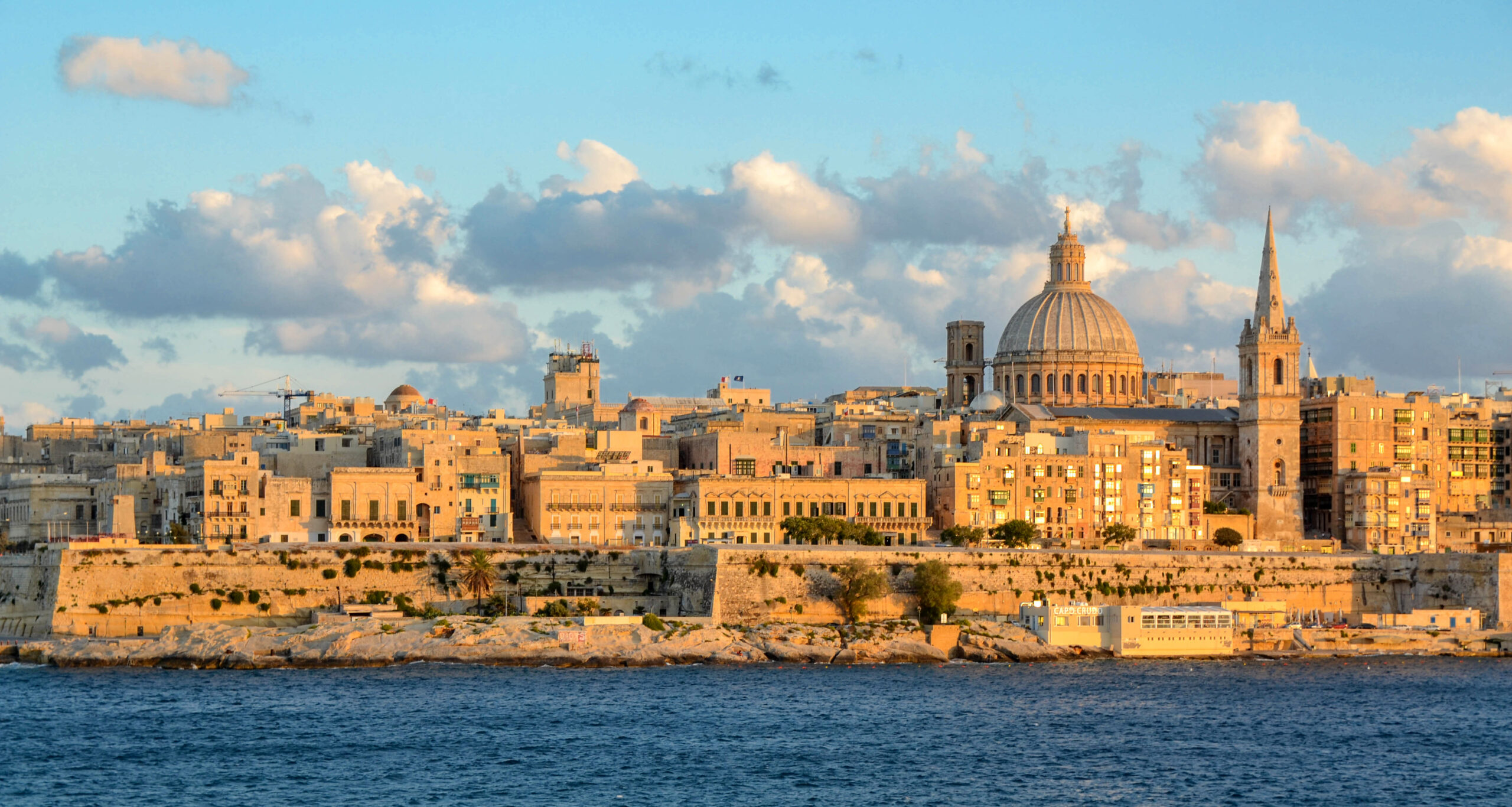
Valletta is the best introduction to the islands because the city brings together the Knights of St John, the Grand Harbour, Baroque architecture and Malta’s more recent history in one compact area.
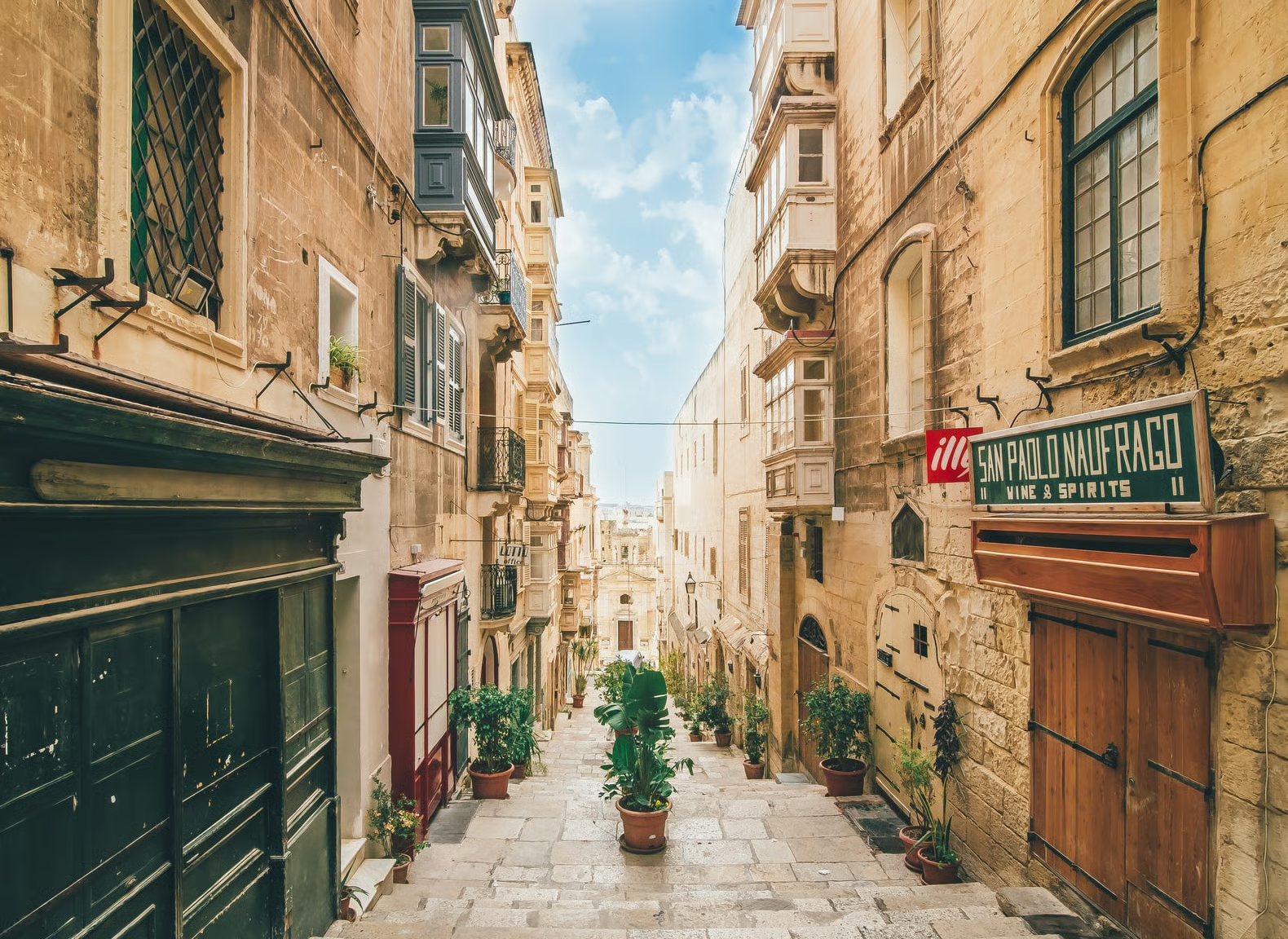
Give yourself time to leave Republic Street and explore the side streets. St John’s Co-Cathedral, the Upper Barrakka Gardens and the harbour viewpoints are obvious highlights, but much of Valletta’s character is in the balconies, staircases, churches and streets between them.
If you want the history explained rather than simply walking past it, see our private Valletta walking tour.
2. Cross the Grand Harbour to the Three Cities
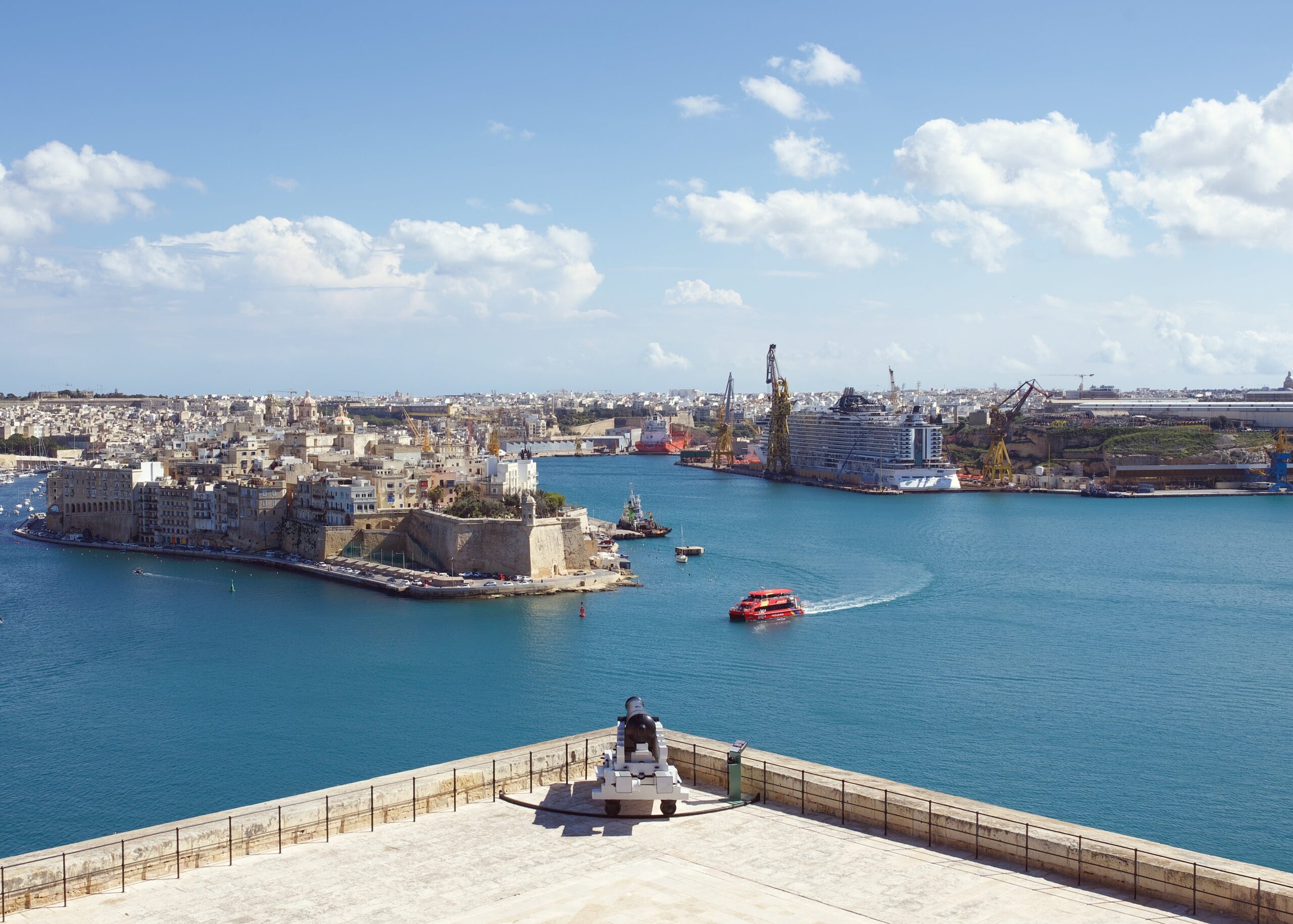
Vittoriosa, Senglea and Cospicua offer a different atmosphere from Valletta. The area is excellent for walking because you can move from fortifications and old residential streets to marinas and harbour views within a short distance.
Vittoriosa usually receives the most attention, but do not ignore Senglea. The Gardjola viewpoint is one of the best places to understand the scale of the Grand Harbour. Our Three Cities walking tour covers the area in more depth.
3. Mdina and Rabat belong together
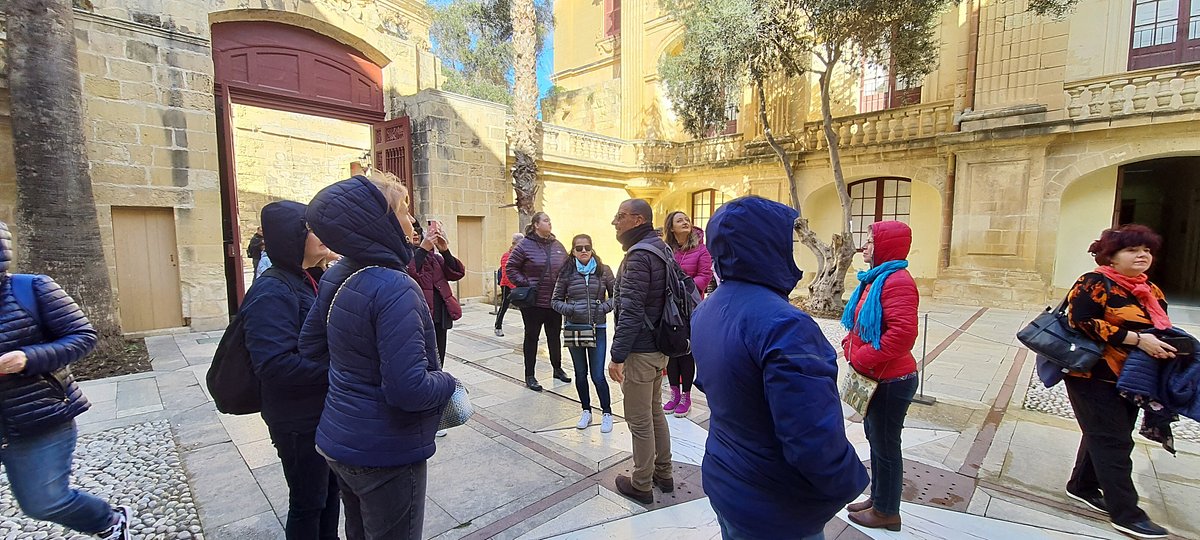
Mdina is small enough to walk comfortably, but rushing through it in 30 minutes misses the point. The old capital is best experienced slowly: narrow lanes, noble palaces, churches, bastion views and the contrast between busy daytime streets and quieter corners.
Rabat begins immediately outside the walls and adds another layer of history, including catacombs, churches and traditional neighbourhood streets. Treat the two places as one destination rather than separate stops.
Our Mdina and Rabat private tour is built around that combined experience.
4. See a quieter side of Malta
Once you have covered the major historical centres, use at least half a day for countryside or coastline. Dingli and the west, Qrendi and the south, or the rural areas around Baħrija show a different side of Malta from the dense urban strip.
If you prefer to discover places most visitors miss, our updated guide to 10 hidden gems in Malta and Gozo focuses on genuinely quieter valleys, walks, coves and coastal landscapes.
5. Give Gozo a full day
Gozo is close to Malta but feels noticeably different. A first visit should normally include Victoria and the Citadel, then a mixture of villages, coast and countryside based on your interests.
Dwejra remains one of Gozo’s great landscapes even though the Azure Window collapsed in 2017. The Inland Sea and surrounding coastal formations still make the area worth visiting. The northern coast around Wied il-Għasri and the Xwejni salt pans is another excellent option, while archaeology fans may want to include Ġgantija.
For a flexible full-day route, see our private Gozo day tour.
6. Decide whether Comino is worth a day for you
Comino is primarily about the sea. If swimming, snorkelling, caves and clear water are major priorities, it deserves space in your itinerary. If you are visiting mainly for history, you may prefer to spend that time in Gozo or Malta instead.
A private boat gives you more flexibility over timing and swimming stops than building the day around a large fixed excursion. See our Malta and Comino private boat tour.
7. Make time for Maltese food
Do not reduce Maltese food to one quick pastizz. Try local bread, savoury pastries, seasonal dishes and traditional sweets, and look for restaurants serving Maltese food rather than only international menus in the main tourist areas.
Food also makes more sense when you connect it to the places and history behind it. Our Malta food and history tour combines both.
8. Leave room for the sea
Malta and Gozo are surrounded by rocky coves, beaches, caves and excellent diving. The best swimming location depends heavily on wind and sea conditions, so avoid locking yourself into one bay weeks in advance unless it is part of a fixed booking.
If the water matters to you, keep at least one part of the itinerary flexible so you can choose the coast that is most comfortable on the day.
9. Do not underestimate travel time
The islands are small, but traffic and parking can turn a short-looking drive into a significant part of the day. A common first-time mistake is planning Valletta, Mdina, Marsaxlokk and a northern beach in one continuous sightseeing loop. It is possible to drive between them, but the experience becomes rushed.
Our rule is simple: group nearby places and spend longer in fewer locations.
10. Use a private tour where it actually saves time
You do not need a guide for every day of a Malta holiday. A private guide or driver is most useful when context matters—Valletta, Mdina, the Three Cities—or when logistics are the main problem, such as combining several countryside and coastal stops in a limited time.
If you want one flexible overview day, the private Malta sightseeing tour can be adjusted around what you have already seen and what you actually care about.
A sensible first-time allocation
With four or five sightseeing days, a balanced first visit might use one day for Valletta and the Three Cities, one for Mdina/Rabat plus another part of Malta, one full day for Gozo and one day for the coast, Comino or a slower activity. Extra days can then be used for beaches, diving, food or revisiting an area without rushing.
If you have not planned the practical side yet, go back to Part 1: planning and transport. You can also browse all My Dream Malta private tours in one place.