You do not need to rent a car to have a very good Malta trip. In fact, if you are staying around Valletta, Sliema, Gżira, St Julian’s or the main tourist areas, using a mix of buses, harbour ferries, taxis and one or two private sightseeing days can be easier than dealing with parking and unfamiliar roads.
The key is not to treat every journey the same. Public transport works well for simple point-to-point days; ferries are excellent around the harbours; private transport becomes much more valuable when you want to combine several areas in a limited number of hours.
Is Malta easy to visit without a car?
Yes, provided you plan by area rather than trying to zig-zag across the island all day. Malta is geographically small, but traffic and indirect bus routes mean journeys can take longer than the map suggests.
A good car-free itinerary groups places together:
- Valletta + Three Cities on the same day
- Mdina + Rabat together
- Sliema + Valletta using the harbour ferry where practical
- Gozo as its own full day
- Marsaxlokk + southern Malta as one route rather than separate return trips
Using buses in Malta
Malta Public Transport operates the island’s main bus network across Malta and Gozo. Visitors can pay for individual journeys and there are travel-card options for short stays. The official Tallinja app is useful for route planning, estimated arrivals and service notices.
Because fares and products can change, check the current options on the official Malta Public Transport visitor page before your trip.
When buses work well
- One main destination in a day
- Travel between major towns
- Visitors staying near a strong transport hub
- Travellers who are not in a rush
When buses become frustrating
- Trying to visit four or five distant attractions in one day
- Travelling with very young children and lots of equipment
- Combining rural viewpoints where stops are far apart
- Returning to a cruise ship or airport on a strict deadline
Use the harbour ferries
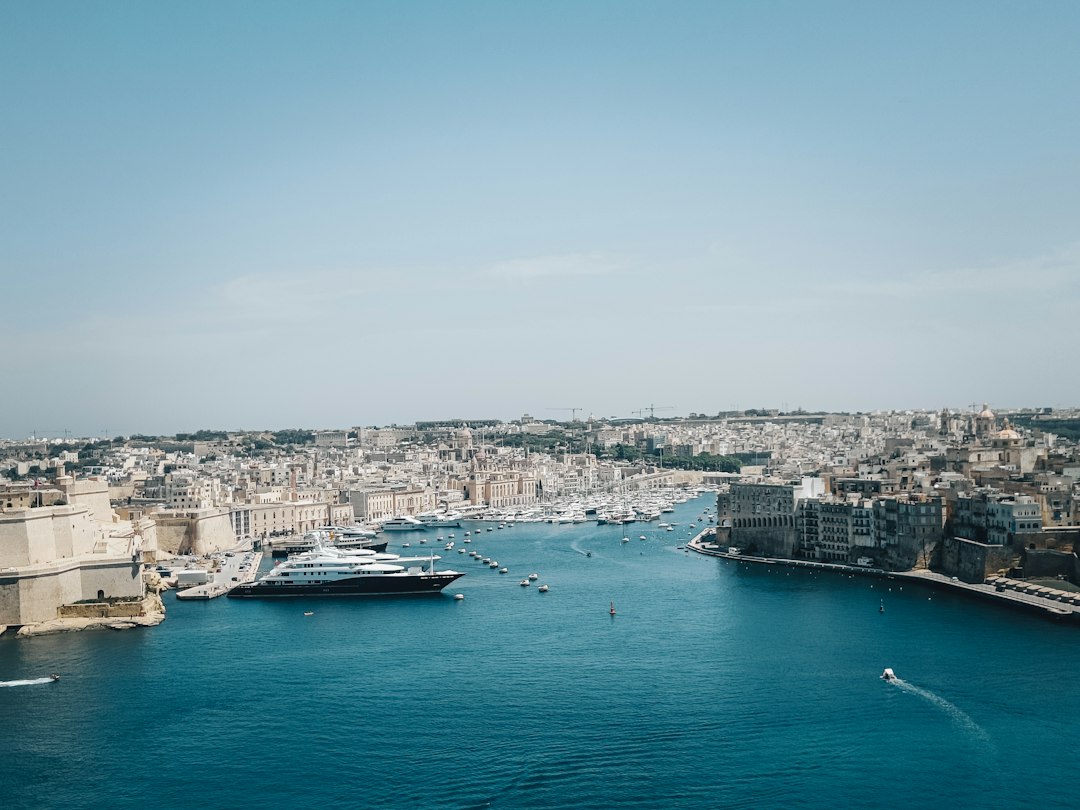
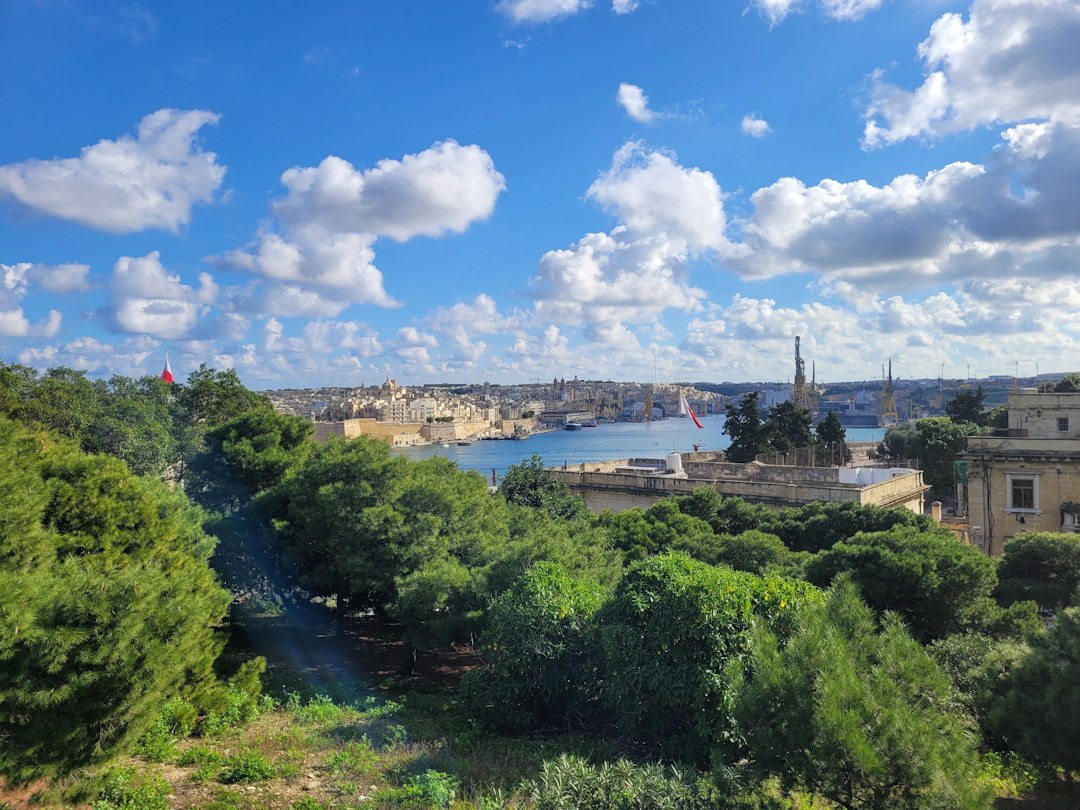
One of the easiest ways to move around the harbour area is by ferry. The Sliema-Valletta ferry is useful for visitors staying on the Sliema side, while the Valletta-Three Cities connection can save time and gives you excellent Grand Harbour views along the way.
Taxis and ride-hailing apps
Taxis and app-based services are widely used for point-to-point travel. They are particularly useful in the evening, for airport transfers, or when a direct ride saves you a complicated bus connection.
The downside is cost if you use separate taxis for every stop on a full sightseeing day. Once you are planning several destinations, a private driver for a fixed period can become easier to manage and more predictable.
Private sightseeing without renting a car
A private sightseeing day is not the cheapest transport option, but it can be the most efficient when your holiday is short. Instead of spending time returning to a transport hub between stops, the vehicle stays with your party and the route can be adjusted as the day develops.
For example, an eight-hour private Malta day can combine Mdina and Rabat with western viewpoints, the Blue Grotto area, Marsaxlokk and Valletta, depending on your priorities and pace. Our Malta Experience private sightseeing tour is built for exactly this type of day.
Can you visit Mdina without a car?
Yes. Mdina and Rabat are among the easiest inland destinations to visit independently. Once you arrive, almost everything is explored on foot. The main question is what you want to combine with them.
If Mdina is your only major stop, public transport is perfectly reasonable. If you also want Dingli Cliffs, the Blue Grotto or another rural area on the same day, private transport becomes much more useful.
Can you visit Marsaxlokk without a car?
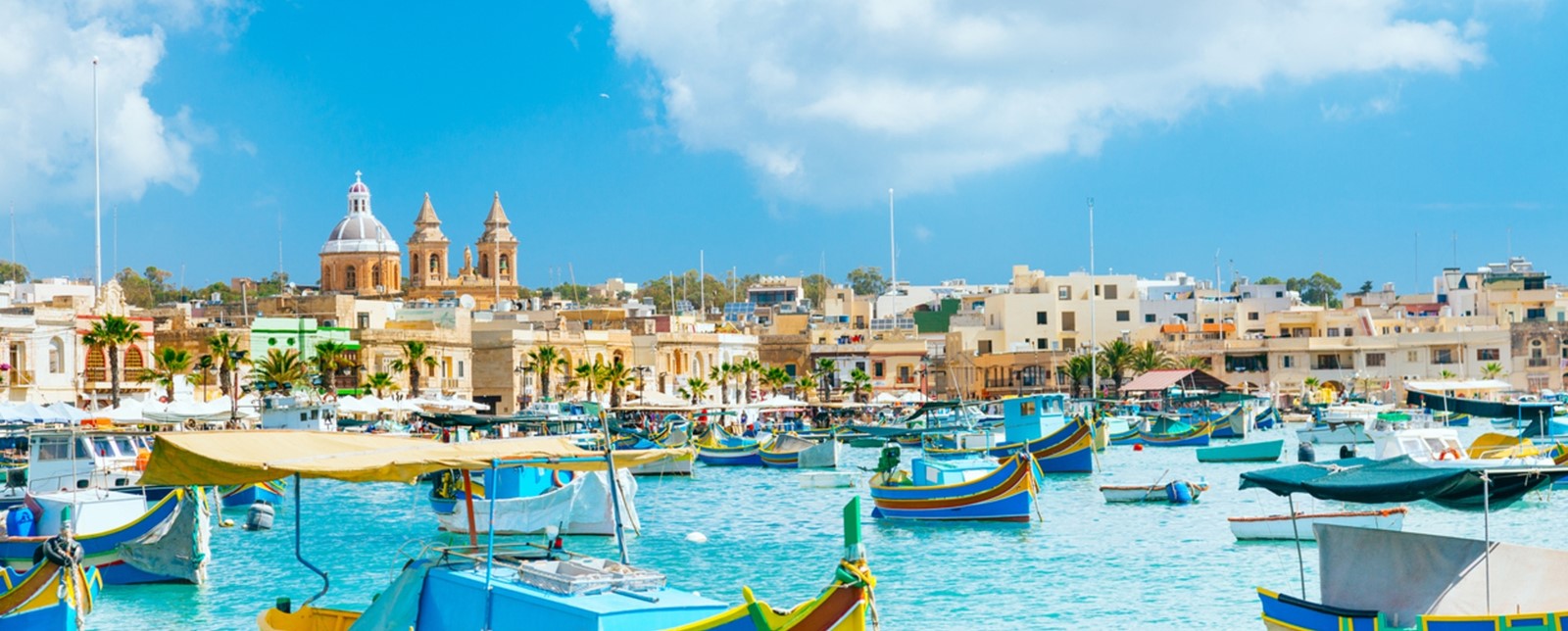
Yes, but plan the day carefully. Marsaxlokk is best treated as part of a southern Malta day. If you are using buses, allow for waiting and connections rather than assuming you can jump quickly between Marsaxlokk, Blue Grotto, temples and Mdina.
How to visit Gozo without a car
Gozo is possible by public transport, but the island is best enjoyed when you give it a full day. The main ferry crossing from Ċirkewwa to Mġarr takes roughly 25 minutes under normal operation, but you also need to account for reaching the terminal, waiting and onward travel once you arrive.
Independent visitors can use buses from Mġarr and Victoria. If your aim is to see the Citadel, Dwejra, Xlendi, Xagħra and several scenic stops in one day, our private Gozo tour removes most of the transport coordination.
Best areas to stay without a car
Valletta
Best for history, ferries and a walkable city-centre base. Excellent if your priority is sightseeing rather than beaches.
Sliema and Gżira
Very practical for restaurants, waterfront walking and the ferry to Valletta. They also have strong bus and taxi connections.
St Julian’s
Good for dining and nightlife, with plenty of transport options. Choose your exact neighbourhood carefully if you want quiet evenings.
Mellieħa
Better for beaches and northern Malta, but less convenient if you plan to spend most days around Valletta and the south.
A practical 4-day Malta itinerary without a car
- Day 1: Valletta on foot, then ferry to the Three Cities.
- Day 2: Mdina and Rabat by bus or taxi.
- Day 3: Full-day private Malta sightseeing to cover the harder-to-link areas efficiently.
- Day 4: Gozo by ferry, either independently or with a private Gozo tour.
Do you actually save money by skipping the rental car?
Often, yes—but the bigger saving can be time and stress. With a rental car you need to consider parking, fuel, insurance, left-hand driving and whether the car will sit unused while you walk around Valletta or Mdina.
A mixed approach works very well for many visitors: walk and use ferries in the harbour areas, use buses for straightforward journeys, take taxis in the evening, and book private transport only for the days where it genuinely saves time.
Frequently asked questions
Do I need a car for a first trip to Malta?
No. A first-time visitor can comfortably see the major highlights without renting a car.
Is Malta public transport reliable enough for tourists?
It is useful and extensive, but build flexibility into your schedule. Traffic can affect journey times, especially at busy periods.
Can I do Malta and Gozo without driving?
Yes. Use the ferry to Gozo and buses or private transport on the island.
What is the easiest option for a short 3- or 4-day visit?
Stay centrally, use ferries and walking for Valletta/Three Cities, then reserve one private sightseeing day for the harder-to-connect highlights.
Want to see Malta without renting a car?
Tell us where you are staying and how many days you have. We can recommend which days are easy independently and where a private tour will save the most time.